
تسليط الضوء على السكين المكافح

إذا كنت تزيل أو تقطع عظاما وأوتار قطعة لحم، فلن يكون سكين المطبخ العادي كافيا. هذه الأجزاء القاسية من الطعام تتطلب سكينا حادا مصمما خصيصا للتعامل مع التحدي، وهنا يأتي دور سكين التقويم الخاص بك.
عند إعداد المطبخ، هناك العديد من الأدوات التي تحتاج إلى تذكرها، لكن الكثيرين ينسون أهمية سكين التقويم. هم يدركون مدى فائدتها فقط عندما يتعلق الأمر بإزالة العظام.
In this guide, we are going to be putting the spotlight on the boning knife and discovering what it is used for as well as giving you some handy pointers.
Table of contents
What Is a Boning Knife?
تتميز سكين العظام بشفرة طويلة وضيقة تتمتع بمرونة جيدة وقد اخترعت عام 1945. ستلاحظ أيضا أن هذه السكاكين حادة جدا مما يجعل قطع الأجزاء الأقوى من الحيوان أسهل وأكثر أمانا بكثير. إذا استخدمت شفرة باهتة لهذا النوع من التقطيع، ستمزق اللحم بدلا من تقطيعه، وهذا قد يؤثر على جودة طهيه.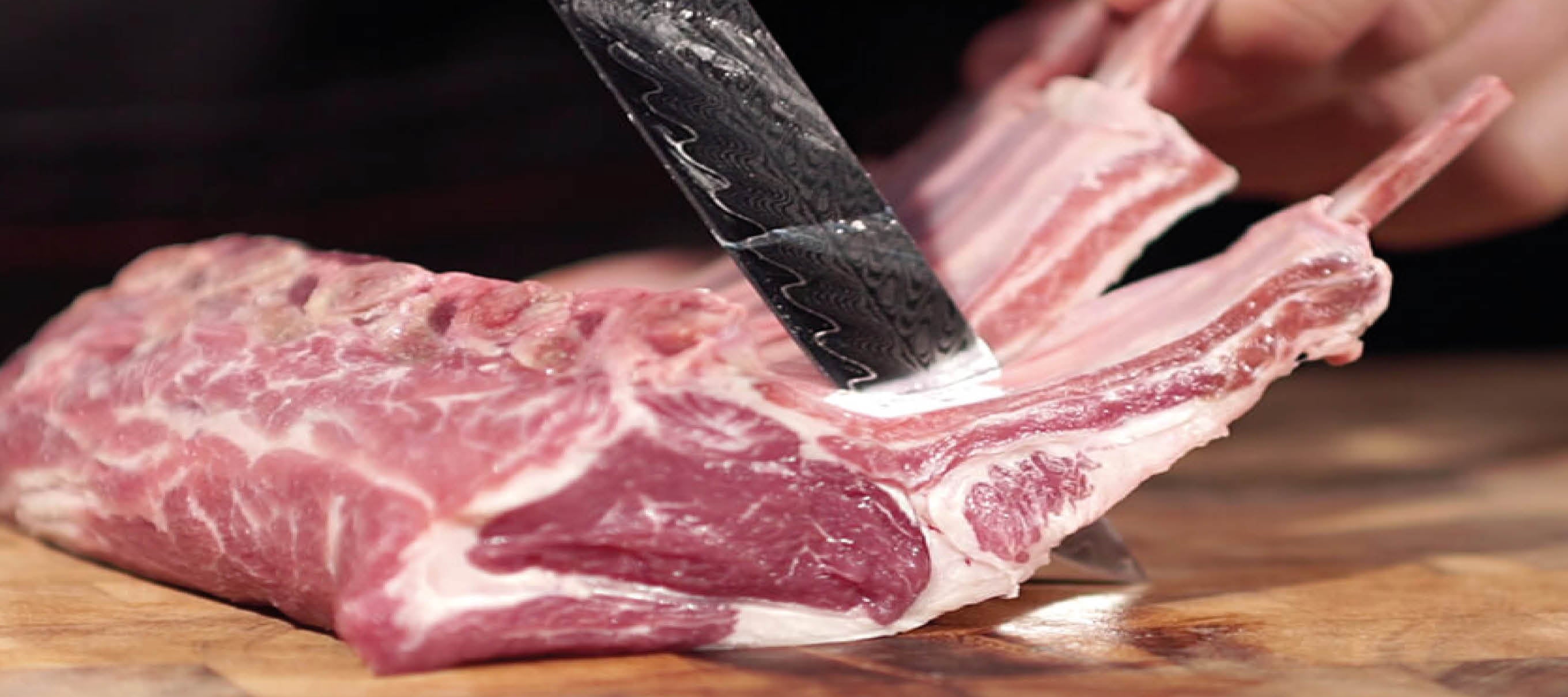
These knives are used to remove bones on meat, fish and poultry and come in various sizes that typically range between 12cm and 17cm. They are very precise and depending on the design, may be able to remove the meat from the bone in just one pass.
Why Do I Need a Boning Knife?
من الممكن إزالة العظام من اللحم باستخدام أنواع أخرى من سكاكين المطبخ، لكن هذا لا يعني أن هذه هي الطريقة الأفضل. كما ترى، هذا قد يؤدي إلى هدر كبير في اللحم، ناهيك عن أنه خطير للغاية. هذه الأنواع الأخرى من السكاكين ليست ضيقة أو مرنة بما يكفي للعمل، لذا يجب تجنبها.If you switch from using a regular knife to a boning knife, you will quickly notice how much more quickly you are able to debone meats. What’s more, you’ll be left with less waste and the entire process will be far easier. This is largely down to the fact that your boning knife allows you to be much more precise.
But another clear advantage of using a boning knife is that it makes cutting much safer. You don’t need us to tell you that knives are sharp and if you cut yourself, it could be a significant injury. However, when you don’t use the correct type of knife you could slip, especially when cutting thick or tough meat.
It is possible to use a boning knife for filleting if you don’t have a fillet knife to hand, but this is usually for more advanced chefs. In any case, you will save huge amounts of time and food when using this type of equipment over anything else.
What Does a Good Boning Knife Look Like?
If you’re looking to get a boning knife then you’ll want to make sure that you choose the right tool for the job. One of the great things about these knives is that they come in many different forms. Let’s take a look at the options.Blade Design
Not all boning knives come with the same blade. Of course, they all have one thing in common in that they are much narrower than a standard chef’s knife blade. But this is where the similarities end and it’s important to understand the difference depending on what you want the knife to do.
Curved blades are great when you are working with fish especially when it comes to removing the skin. This design will sweep through the meat in a single pass saving you a lot of time. These blades are also excellent for more precise work and give you a better angle.
The straight boning knife is great if you need to remove a larger chunk of meat like beef. If you’ve got a lot of experience then this type of boning knife is great for speedy cutting and will also come in handy when sculpting the meat.
Blade Flexibility
When it comes to choosing any type of knife, the level of flexibility is one of the most important things and this is especially true of the boning knife. The reason for this is that as the knife enters into a thick cut of meat, it could break if it is too flexible. On the other hand, using a stiff knife for intricate work like removing fish bones will make the job much harder. A flexible knife in this situation gives you a lot more control over what you are doing.Blade Size
Boning knives come in a range of sizes and are usually anywhere between 12cm and 17cm. That said, there are some that are much smaller and this makes them more flexible. These boning knives are usually used in more specialty situations such as butchery.While it isn’t usually possible to purchase a boning knife that will cover all uses, you should think about what you will be doing most and go from there. Choose a smaller blade if you will be performing more delicate cuts.
Knife Handle
Boning knives typically come with either a wooden or plastic handle. The latter is great if you want a knife that looks good but they aren’t as durable as they tend to be affected by moisture.Since a lot of force will be applied to the handle, it is important to find one that can put up with this resistance as well as giving you a good grip.


